Via Ferrata in America: Hidden Routes for Non-Climbers (2026 Guide)
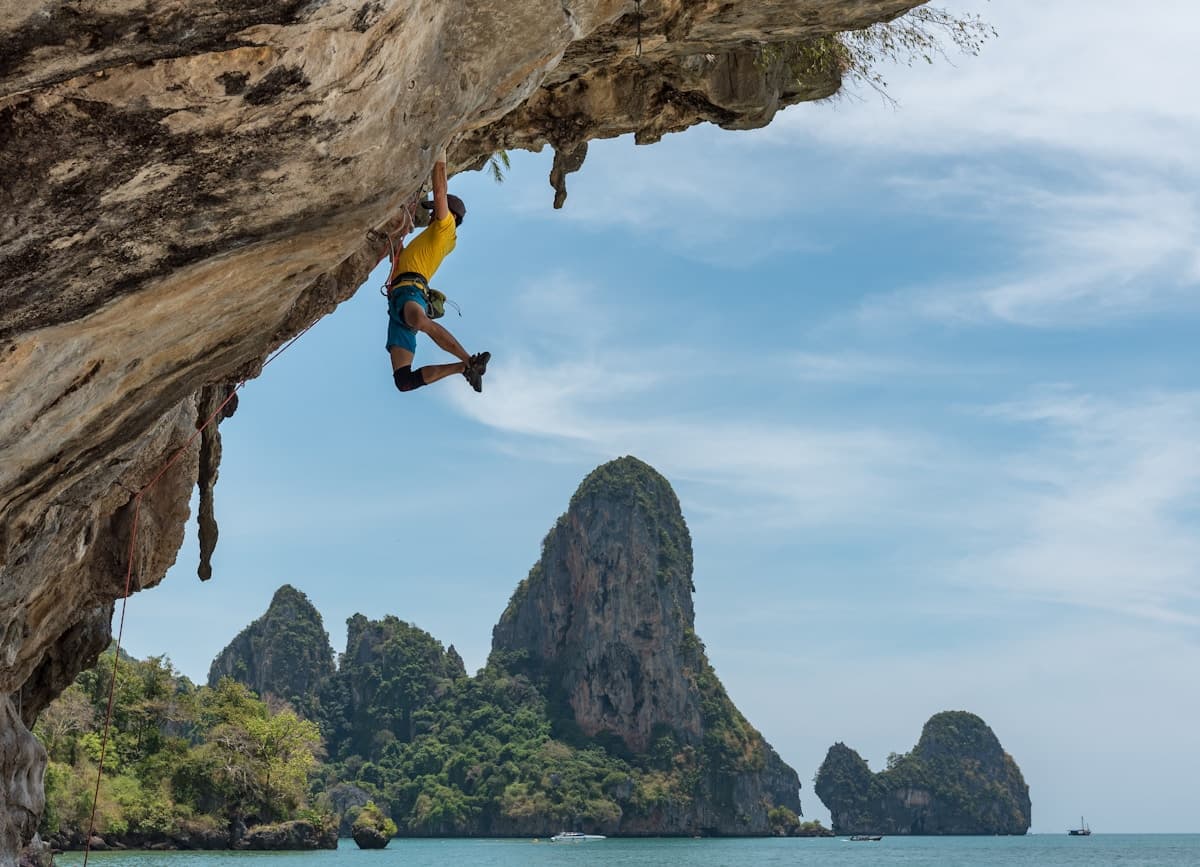
You're clipped into a steel cable bolted into the side of a cliff. Your feet are on iron rungs driven into the rock. A thousand feet of open air yawns below you. And you are not a rock climber.
That's via ferrata — and it's one of the most exhilarating outdoor experiences available to ordinary hikers in America right now. Via ferrata (Italian for "iron path") uses a system of permanently installed cables, iron rungs, and ladders to make dramatic vertical terrain accessible to anyone willing to show up and clip in.
In 2026, via ferrata is having its moment in the USA. National Geographic called it a must-try for adventurous hikers. AFAR named it one of the fastest-growing outdoor activities in America. And yet the lesser-known routes — the ones away from the tourist crowds — remain largely undiscovered. This guide will find them for you.
What Is Via Ferrata and Where Did It Come From?
Via ferrata originated in the Italian Dolomites during World War I, when armies installed iron cables and ladders into cliff faces to move troops across otherwise impassable terrain. After the war, these routes became recreational, eventually growing into one of Europe's most popular alpine pursuits — with over 1,000 routes in the Alps alone.
The technique arrived in the United States relatively recently, with the first commercial routes opening in Colorado and West Virginia around 2010–2015. Since then, the growth has been explosive. There are now established via ferrata routes in at least 15 states, and new routes open every year.
Do You Need Experience for Via Ferrata?
This is the most common question — and the answer surprises most people: No rock climbing experience required.
Via ferrata uses a via ferrata kit — two lanyards with energy-absorbing shock packs that attach to the fixed steel cable. You're always connected to the mountain. You move one clip at a time, always maintaining contact with the cable. Even on the most exposed routes, the fall distance is minimal and the exposure is psychological rather than physical.
What you do need:
- A reasonable level of fitness (you'll be climbing stairs, essentially)
- No severe fear of heights (mild fear of heights is actually very common and usually disappears within the first 20 minutes)
- A via ferrata kit (rentable from most operators)
- Helmet and harness (required and usually provided)
- Approach shoes or hiking boots with good grip
Hidden Via Ferrata Routes in America Worth Finding
1. Nelson Rocks (NROCKS), West Virginia — Best for True Beginners
Tucked into the Appalachian Mountains near Seneca Rocks, Nelson Rocks offers one of the most welcoming via ferrata experiences in the USA. The route climbs through dramatic quartzite formations with views that extend across four states. Unlike many routes that close in winter, NROCKS operates nearly year-round. The local community here is deeply invested in making via ferrata accessible — guides are patient, equipment is well-maintained, and the scenery rewards every step.
2. Castle Hot Springs, Arizona — Desert Canyon Via Ferrata
Hidden within Arizona's Bradshaw Mountains, the via ferrata at Castle Hot Springs traverses canyon walls and desert cliffs that most Arizona visitors never see. The resort setting means professional guides and excellent equipment, but the terrain is pure wilderness — red rock formations, desert light, and views of the Sonoran Desert floor far below. It's beginner-friendly and utterly spectacular.
3. Ouray Amphitheater, Colorado — European-Style Route
Ouray, Colorado — nicknamed the "Switzerland of America" — has one of the newest and most technically pure via ferrata routes in the country. The Ouray Amphitheater route follows European-style construction standards, with properly rated sections from beginner to intermediate. Ouray itself is a hidden gem: a tiny Victorian mining town surrounded by 13,000-foot peaks, with natural hot springs in the city center. The via ferrata is just the start of what this town offers.
4. Amangiri, Utah — Red Rock Via Ferrata
In the canyon country of southern Utah, Amangiri offers guided via ferrata routes through sandstone formations that look like the surface of Mars. This is high-desert via ferrata at its finest — warm tones, vast sky, silence broken only by wind and the clink of your carabiner on the cable. Routes range from accessible beginner sections to more committing intermediate climbs.
5. Telluride, Colorado — Ridgeline Exposure
The via ferrata above Telluride is one of the most dramatic in America: a protected climbing route that circumnavigates the cliff faces above town, with the ski resort spread below you and 14,000-foot peaks all around. It's a step up from the beginner routes, but guided tours make it achievable for determined first-timers with a tolerance for exposure.
Via Ferrata vs Regular Hiking: Key Differences
The main thing that separates via ferrata from hiking is vertical movement and exposure. You'll be climbing, traversing, and descending sections that would be impossible on a standard trail. The iron infrastructure makes this safe, but the psychological experience — moving through truly vertical terrain — is genuinely different from anything most hikers have encountered.
Think of it as the bridge between hiking and rock climbing. It doesn't require the years of skill development that real climbing demands, but it delivers far more adrenaline and visual drama than any trail.
What to Bring on a Via Ferrata
- Via ferrata kit: Two lanyards with energy absorbers — rent from any reputable operator ($20–$40/day)
- Harness: Full-body or sit harness — provided by most operators
- Helmet: Non-negotiable on any via ferrata route
- Approach shoes or hiking boots: Sticky rubber soles help on iron rungs
- Gloves: The steel cable will shred your hands without thin leather or climbing gloves
- Water and snacks: Via ferrata is physically demanding — plan for 2–4 hours minimum on most routes
- Camera: The views from a via ferrata are unlike anything you'll see from a trail
Safety on Via Ferrata Routes
Via ferrata is designed to be safe, but the safety depends on using the equipment correctly. Key rules:
- Always keep at least one lanyard clipped to the cable
- Never unclip both lanyards at the same time
- When passing another climber on the cable, transfer your clips carefully — clip the new section before unclipping the old
- Respect weather conditions — a wet or icy via ferrata becomes dramatically more dangerous
- Start early in the day to avoid afternoon thunderstorms in mountain areas
If you enjoy cave rappelling or rock climbing in lesser-known spots, via ferrata is the logical next step — the level of adventure is comparable, but the learning curve is dramatically shorter.
Frequently Asked Questions About Via Ferrata
Is via ferrata safe for people afraid of heights?
Mild acrophobia (fear of heights) is actually very common among via ferrata participants and usually diminishes rapidly once you're moving on the route. Severe acrophobia may make via ferrata genuinely uncomfortable — consider a beginner route with a guide first.
How long does a via ferrata take?
Most beginner routes take 2–4 hours. More technical routes can take a full day. Factor in the approach hike, which is often as long as the via ferrata itself.
What does via ferrata cost?
Guided via ferrata experiences typically run $80–$200 per person including equipment. Self-guided via ferrata (where you rent or own equipment) is significantly cheaper at $40–$80 for equipment rental.
Are there via ferrata routes in the Eastern USA?
Yes — Nelson Rocks (West Virginia) is the most established Eastern via ferrata. There are also routes in New Hampshire, North Carolina, and Pennsylvania, though selection is more limited than the Mountain West.
The Via Ferrata Opportunity You're Missing
Here's the honest truth about via ferrata in America: it's still early. The routes that exist are excellent, but the network is tiny compared to what exists in Europe. New routes are opening every year, and right now — in 2026 — is the perfect moment to discover them before the crowds arrive. Five years from now, America's via ferrata routes will look very different from what they do today. Get on them while they're still quiet.