Cliff Camping in America: How to Sleep on a Rock Face (Complete 2026 Guide)
At 11 PM, the lights of Estes Park, Colorado flicker 400 feet below you. Your sleeping bag is warm. The stars are close enough to touch. And your bed is a canvas platform bolted to a vertical cliff face, swaying gently in the high-altitude air.
This is cliff camping — and until recently, it was reserved exclusively for elite big-wall climbers who spent weeks on El Capitan. Now, a small group of adventure outfitters have made it accessible to anyone brave enough to ask: what would it feel like to spend the night on a rock face?
The answer, according to everyone who's done it, is this: the most surreal night of your life.
What Is Cliff Camping?
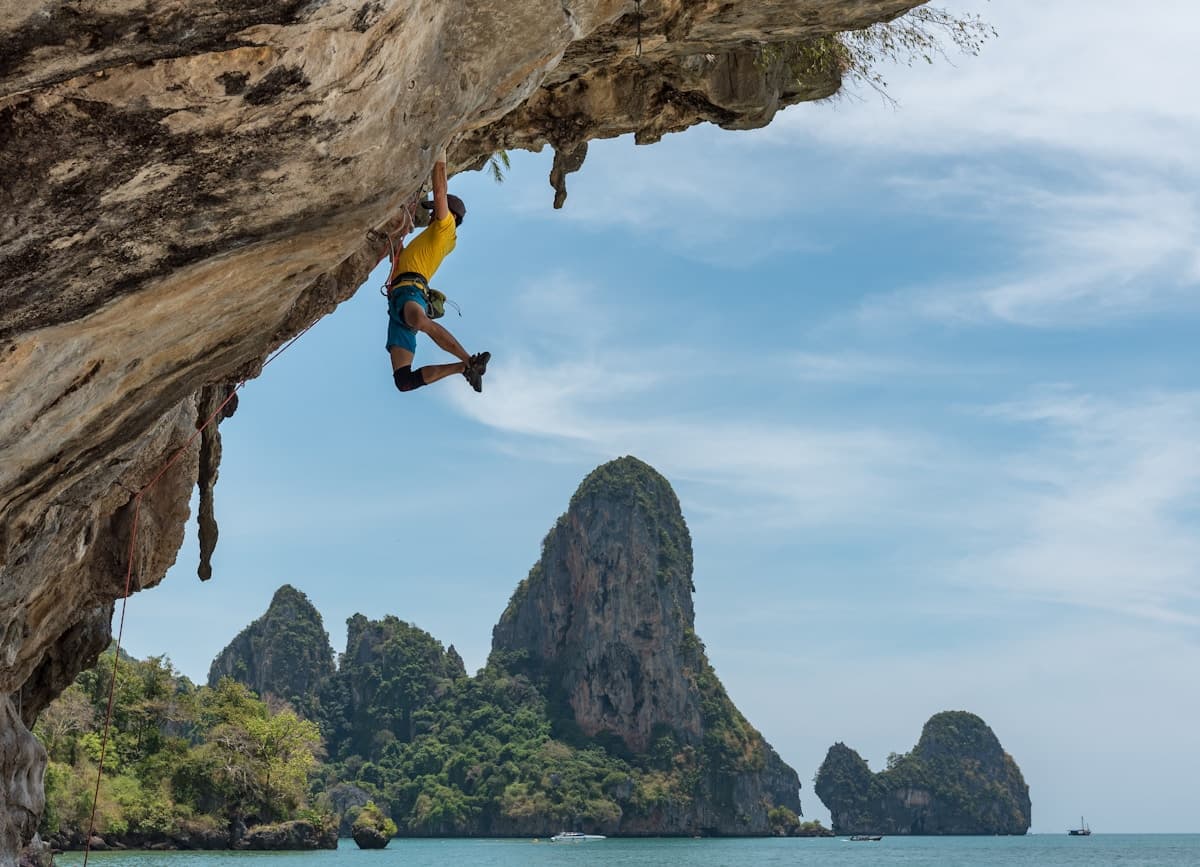
Cliff camping (also called portaledge camping) involves sleeping on a portable suspended platform — called a portaledge — attached to the vertical face of a cliff. Portaledges were invented by big-wall climbers as a way to sleep during multi-day ascents of routes like El Capitan in Yosemite, where reaching the summit in a single day is impossible.
Modern commercial cliff camping experiences use professional-grade portaledges, full safety rigging, and experienced mountain guides to make this experience achievable for non-climbers. You don't rope yourself in. You don't need to know how to belay. You just need to be willing to trust the ropes — and the view.
Where to Go Cliff Camping in the USA
Estes Park, Colorado — Kent Mountain Adventure Center (KMAC)
This is the most established and accessible cliff camping experience in America. Kent Mountain Adventure Center in Estes Park offers overnight portaledge experiences on Colorado's iconic granite faces, with two experienced mountain guides on every trip. The experience includes full safety rigging, sleeping bags and pads, dinner and breakfast prepared on the mountain, and a morning that begins with sunrise over Rocky Mountain National Park from 400 feet up.
KMAC also offers "cliffnics" — lunch or dinner suspended 75 feet above the ground — for those not ready for an overnight but wanting the essence of the experience. Cost for overnight cliff camping: approximately $800 per person (for a group of two). Cliffnics: $200–$300 per person.
Yosemite National Park, California — Independent/Guided
Yosemite is where portaledge sleeping was born, and it remains the most spectacular setting on earth for a night on the wall. The towering granite faces of El Capitan and Half Dome create a vertical world unlike anywhere else in America. Commercial cliff camping at Yosemite requires proper climbing qualifications and park permits, making it more appropriate for those who have completed an intermediate via ferrata or rock climbing course first.
For the full Yosemite big-wall camping experience, organizations like Yosemite Mountaineering School offer multi-day climbing courses that build toward an independent portaledge night — one of the most coveted experiences in American adventure travel.
Moab, Utah — Red Rock Portaledge
The sandstone towers of Moab offer some of the most visually dramatic cliff camping settings in America. Red rock walls, desert light, and the impossibly blue Colorado River far below create a visual experience that Yosemite's granite, for all its grandeur, cannot quite replicate. Several local climbing guides offer custom portaledge experiences on Moab's walls — reach out to local outfitters in Castle Valley and Indian Creek for current availability.
Red River Gorge, Kentucky — Emerging Destination
The Red River Gorge in Kentucky is one of the Southeast's best-kept secrets for rock climbing — and an increasingly popular location for guided portaledge experiences. The gorge's sandstone walls, mixed forests, and rich biodiversity create a very different atmosphere from the high-altitude desert and alpine environments of the West. If you're in the Eastern USA and want cliff camping without a cross-country flight, Red River Gorge is where to look.
What to Expect on a Cliff Camping Night
Here's the typical arc of a guided cliff camping experience:
Late afternoon: Meet your guides and receive a comprehensive safety briefing. You'll learn how your harness, carabiners, and the portaledge rigging work. No prior knowledge required — guides walk you through everything until you're comfortable.
Early evening: Begin the approach to the cliff face. Depending on the route, this might be a short hike or a mild scramble. Your gear, food, and the folded portaledge go up first via fixed ropes.
Sunset: The portaledge is rigged and deployed. You clip in, settle onto the platform, and watch the world turn golden as the sun drops. This is usually when people stop talking and just stare. It's a profoundly quiet hour.
Night: Dinner on the wall, often simple but memorable (there's something about eating pasta while suspended on a cliff that makes it taste extraordinary). The night sky from a vertical cliff face, with no ground-level obstructions, is unlike any stargazing you've experienced. Guides sleep on their own portaledges nearby.
Morning: Sunrise from the cliff face. Then breakfast. Then the slow, satisfied descent, with the knowledge that you've done something most people only dream about.
Is Cliff Camping Safe?
Cliff camping with a professional outfitter is very safe — statistically safer than many activities people consider "normal" outdoor adventures. Here's why:
- Professional-grade rigging is rated to hold far more than the human body weight
- Experienced guides set redundant anchors — multiple independent attachment points
- You are connected to the cliff at all times through your harness
- Modern portaledges are designed with high safety margins and tested in extreme conditions
The risk that remains is psychological, not physical. The exposure — the feeling of height, the awareness of the vertical drop — is real and intense. But the equipment keeps you safe even if your body forgets that in the moment.
What Makes Cliff Camping Different from Any Other Night Outdoors
There is no other sleeping experience quite like it. Not a rooftop tent. Not a treehouse. Not a hammock. The portaledge is genuinely vertical — your body, if you rolled off the edge (which the safety harness prevents), would fall freely. Your brain knows this. And the combination of that primal awareness with the safety of the rigging creates an altered state of consciousness that most cliff campers describe as euphoric.
You sleep, technically, but it's not restful sleep in the conventional sense. It's the kind of half-awake, star-watching, wind-listening experience that stays with you for years afterward. Most people who go once spend the rest of the trip back already planning their return.
How to Prepare for Your First Cliff Camping Experience
- Get comfortable with heights first. A via ferrata experience is an excellent primer — it teaches you how to manage exposure and trust safety equipment on a vertical face.
- Build overall fitness. The approach to most cliff camping sites involves hiking and some scrambling. General fitness and trail-readiness will make the experience more enjoyable.
- Book far in advance. Commercial cliff camping experiences have very limited capacity — usually just one or two parties per night. Popular dates at KMAC and other operators book months ahead.
- Dress for temperature swings. Cliff faces amplify wind chill significantly. What feels like a warm evening at the trailhead can be genuinely cold at elevation with nothing between you and the breeze.
Frequently Asked Questions About Cliff Camping
Do I need rock climbing experience?
No. Commercial cliff camping operators in Colorado and Utah are specifically designed for non-climbers. Everything is handled by the guides — you arrive, put on a harness, and follow instructions.
How much does cliff camping cost?
Guided overnight cliff camping typically costs $700–$1,200 per person in the USA, including guides, all equipment, and meals. This is a premium experience with very limited spots — compare it to a night in a high-end wilderness lodge rather than a campsite fee.
What if I wake up afraid in the night?
It happens. Experienced cliff camping guides have seen it many times. You are safe — the rigging won't fail — but if anxiety becomes overwhelming, guides can get you to a ledge or the ground. Book with an outfitter whose guides are certified mountain professionals with first aid training.
Is there a weight limit for cliff camping?
Most commercial operators set a weight limit of 250–275 lbs for safety and equipment reasons. Check with your specific operator before booking.
Can I do cliff camping in summer and winter?
Most experiences run spring through fall. Winter cliff camping exists (KMAC operates in some winter conditions) but is a dramatically more serious undertaking requiring additional cold-weather preparation.
The Night That Changes Everything
There's a moment on every cliff camping experience — usually around 10 PM, when the guides have gone quiet and the valley below has gone dark — where you stop thinking about the logistics, the rigging, the harness, and the height. And you just exist. Suspended between sky and ground, with nothing between you and the universe.
It's not for everyone. But for the people it's for, it's the experience that divides life into before and after. And right now, in America's growing adventure landscape, the chance to do it with a professional guide in a spectacular setting has never been more accessible.
See what happens when you spend a night under the stars in remote campsites — then imagine that same sky from a vertical cliff face. That's where cliff camping takes you.